
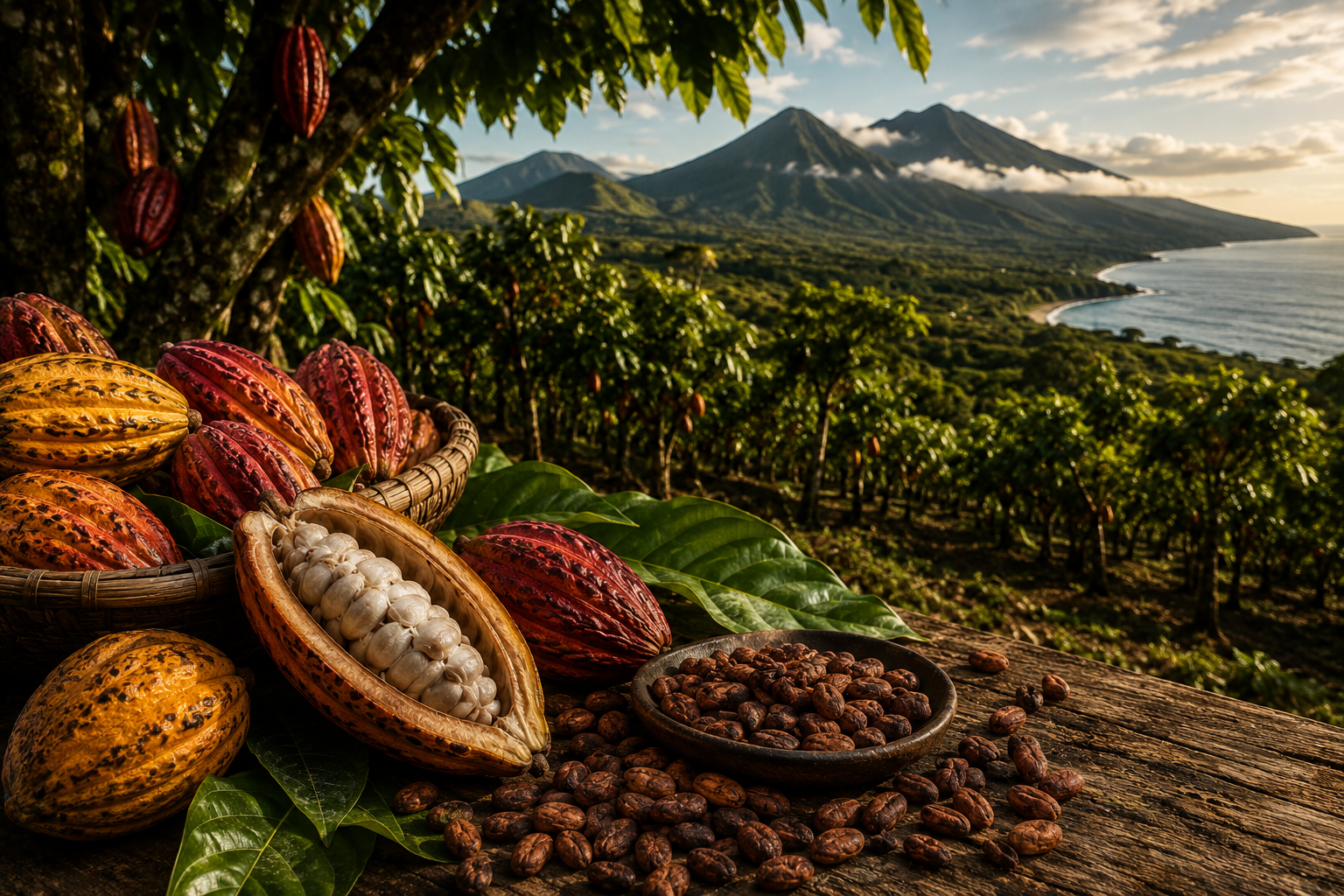
Long before chocolate became an everyday indulgence, cacao was part of life in what is now modern-day Ecuador.
Archaeological discoveries suggest that cacao was consumed in this region more than 5,000 years ago, making Ecuador one of the oldest known centres of cacao cultivation. While much of the world’s cocoa is grown for volume, Ecuador has built its reputation on something entirely different—flavour.
Today, the country produces around 60 per cent of the world’s fine-flavour cocoa, supplying beans sought after by artisan chocolatiers, luxury brands and pastry chefs across Europe, Asia and the Middle East. For professionals working with premium chocolate, the words Ecuadorian cacao carry the same weight that Champagne does in the world of sparkling wine.
Its reputation has been earned over generations.
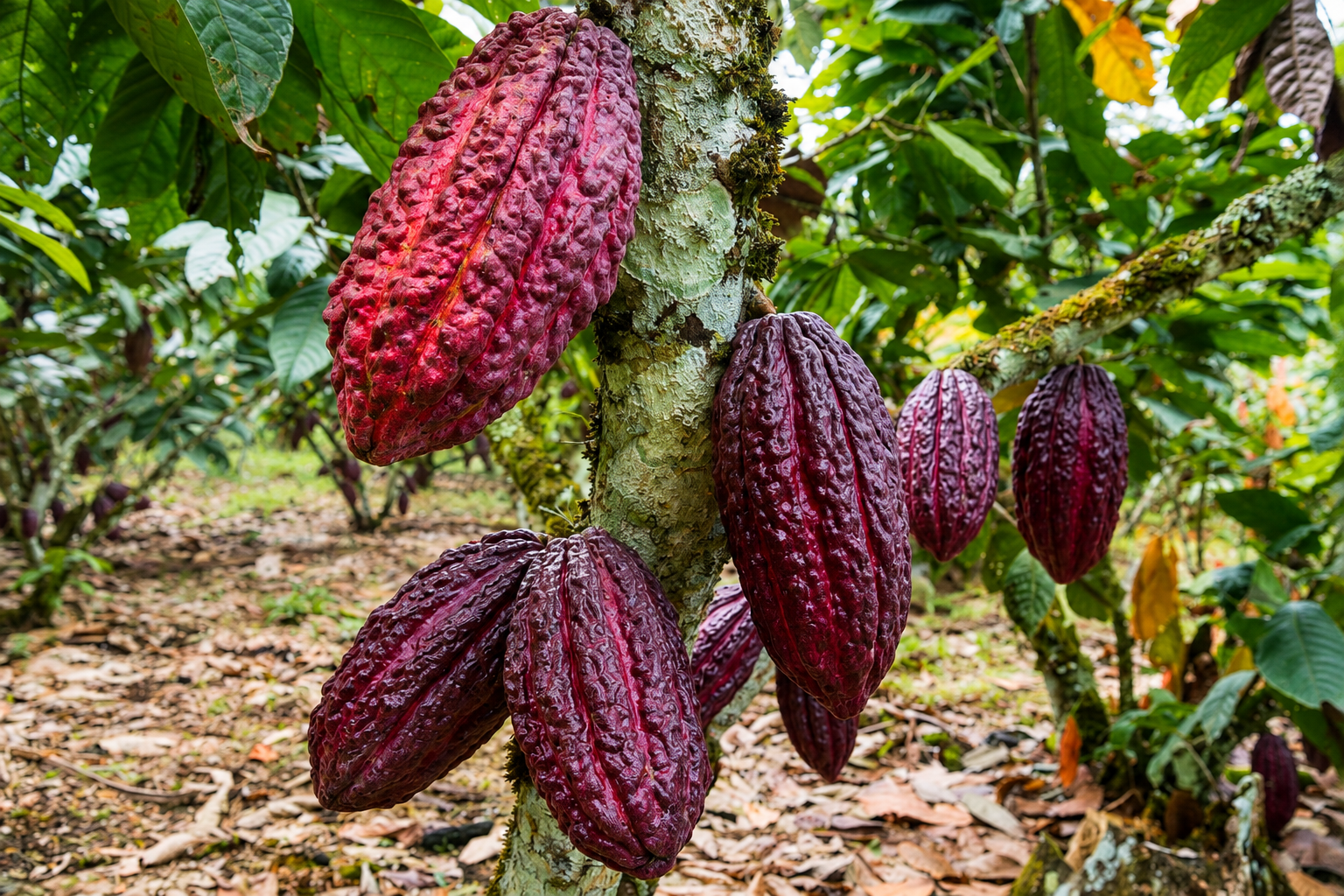 The Story of Nacional
Mention Ecuador to a chocolatier, and one name almost always comes up—Nacional.
Often referred to as Arriba Nacional, this rare cacao variety has become synonymous with Ecuador’s chocolate heritage. The name Arriba, meaning “upriver” in Spanish, dates back to the nineteenth century, when traders in the port city of Guayaquil would ask where the fragrant cocoa had come from. Farmers simply replied, “arriba”—further up the Guayas River.
The name stayed.
What makes Nacional remarkable isn’t just its history but its flavour. Unlike more robust commercial cocoa varieties, Nacional is known for delicate floral aromas accompanied by notes of jasmine, orange blossom, toasted nuts and subtle tropical fruit. These characteristics have made it one of the most prized ingredients in fine chocolate.
Although modern hybrids are now widely cultivated to improve disease resistance and yields, many Ecuadorian farmers continue working to preserve traditional Nacional genetics, recognising their importance to the country’s identity.
Where Cocoa Meets Geography
Ecuador’s landscape plays a defining role in the character of its cacao.
The country’s cocoa-growing regions stretch from the fertile coastal plains to the foothills of the Andes and into parts of the Amazon basin. Warm temperatures, abundant rainfall and mineral-rich soils create ideal growing conditions, while differences in altitude and microclimate produce subtle variations in flavour from one region to another.
In Los Ríos and Guayas, where cocoa has been cultivated for generations, beans often develop soft floral notes and gentle sweetness. Further inland, changing elevations and rainfall patterns can introduce deeper fruit characteristics and greater complexity.
For chocolate makers, these differences matter.
Just as coffee professionals distinguish between Ethiopian and Colombian beans, chocolatiers increasingly appreciate how one Ecuadorian region can produce a flavour profile quite different from another.
The People Behind the Harvest
Exceptional chocolate begins long before roasting or conching.
Across Ecuador, thousands of smallholder farmers care for cocoa trees that often grow alongside banana, mango, avocado and native forest species. Many farms remain family-run, with cultivation techniques and harvesting knowledge passed from one generation to the next.
Harvesting cocoa remains largely manual. Mature pods are carefully cut from the tree, opened by hand and the wet beans removed before fermentation begins.
Fermentation is perhaps the most important stage after harvest.
Over several days, naturally occurring yeasts and bacteria transform the fresh beans, developing the flavour compounds that later define the finished chocolate. Careful drying under the sun then reduces moisture while preserving those newly developed aromas.
A skilled farmer understands that flavour is created as much during fermentation as it is in the factory.
Why Chefs Choose Ecuadorian Chocolate
Walk into the pastry kitchens of leading restaurants or luxury hotels, and there’s a strong chance you’ll find chocolate made with Ecuadorian cocoa.
Its balanced flavour profile makes it exceptionally versatile.
For pastry chefs, it delivers enough intensity for rich desserts while retaining elegant floral notes that pair beautifully with citrus, coffee, vanilla, tropical fruits and nuts. Chocolatiers appreciate its consistency, allowing them to create bonbons, pralines and tablets that highlight the bean rather than overpower it with sugar or flavourings.
Many of the world’s respected chocolate houses continue sourcing cocoa from Ecuador because it offers both technical reliability and remarkable sensory complexity.
It’s a bean that rewards restraint.
The less it is manipulated, the more its natural character shines through.
Looking Ahead
Like every cocoa-producing nation, Ecuador faces challenges. Climate change, plant diseases, fluctuating commodity prices and the need to support younger farming generations all influence the future of cacao cultivation.
Yet Ecuador continues investing in research, sustainable farming practices and quality improvement while preserving the heritage that has made its cocoa internationally respected.
For chocolate professionals, Ecuador represents more than an origin.
It represents a philosophy that great chocolate begins in the field, shaped by nature, refined through skilled farming and carried forward by generations who understand that every harvest tells a story.
The next time you unwrap a bar labelled Single Origin Ecuador, pause before taking the first bite.
You’re not just tasting chocolate.
You’re tasting a landscape, a history and thousands of hands that transformed a tropical fruit into one of the world’s finest ingredients.
Origin Notes | Ecuador at a Glance
- Signature Variety: Arriba Nacional (Nacional)
- Known For: Floral aroma, jasmine, orange blossom, honey, toasted nuts and delicate fruit notes
- Major Growing Regions: Guayas, Los Ríos, Manabí, Esmeraldas and parts of the Amazon
- Global Recognition: Produces the majority of the world’s recognised fine-flavour cocoa
- Pairs Well With: Citrus, passion fruit, coffee, hazelnut, vanilla and caramel


Add Comment